A safe haven
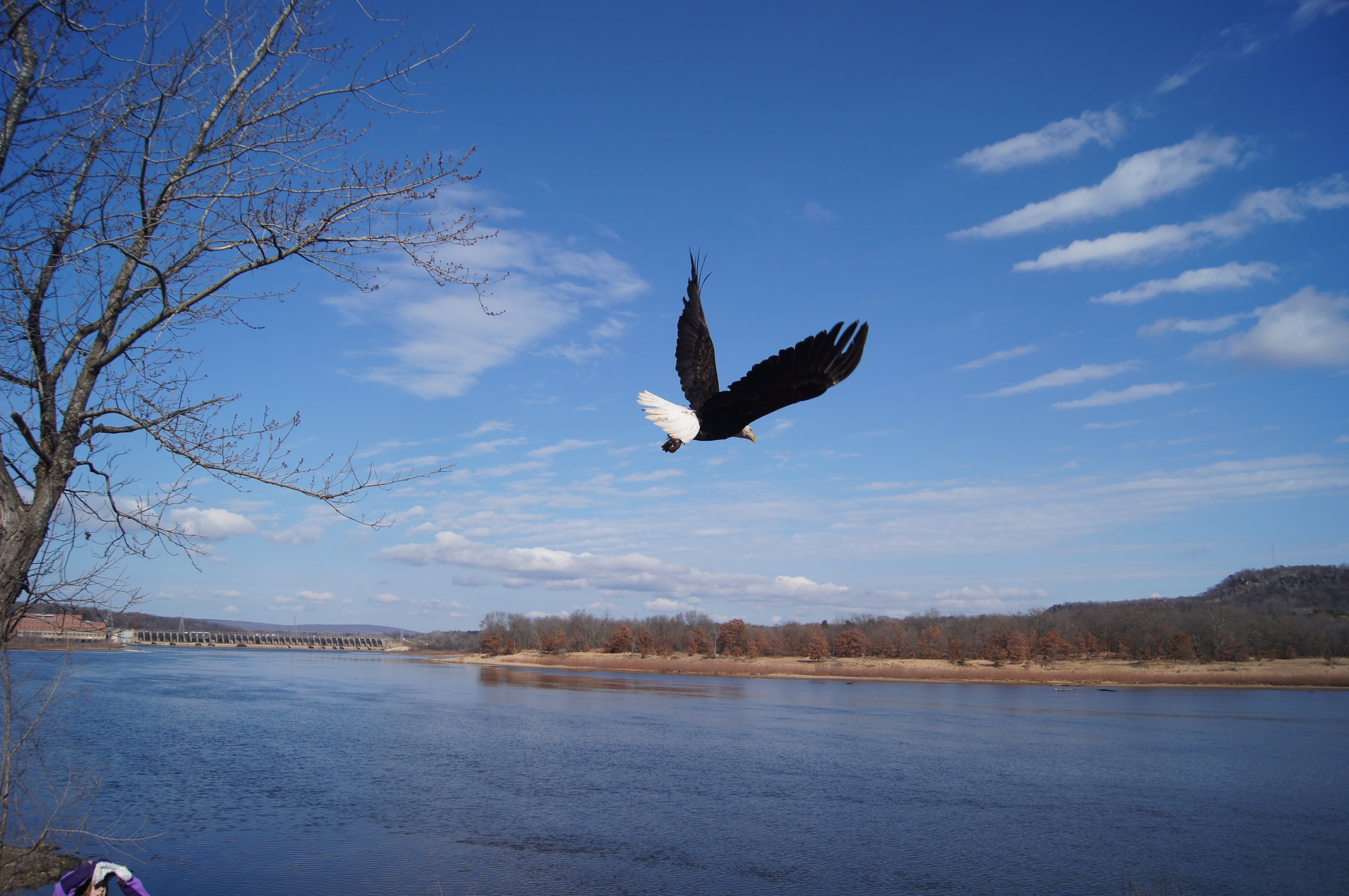
Create a safe place for injured and orphaned native birds until they can return to the wild.
Our work & story
REGI brings rehabilitation, research, and public education together to give native birds their strongest possible future.
Since 1990
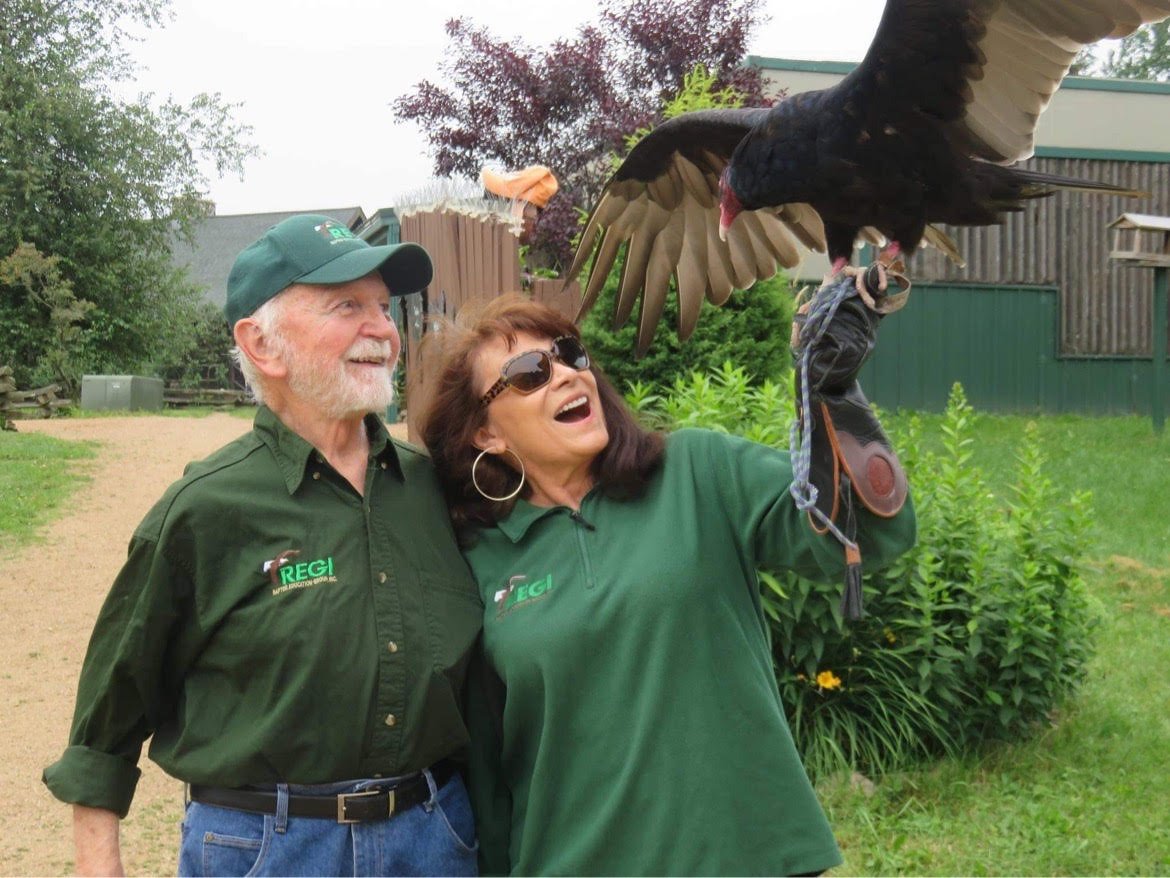
Marge Gibson and her late husband, Don, founded REGI around educational programming and field research on avian species.
The need for a rehabilitation center—especially for raptors and swans—quickly reshaped the mission. Today, REGI admits between 800 and more than 1,000 patients each year while reaching hundreds of people through close, memorable wildlife education.
Our purpose“Helping wildlife become wild once more.”Raptor Education Group, Inc.
Three connected goals
Create a safe place for injured and orphaned native birds until they can return to the wild.
Develop nutrition, husbandry, and rehabilitation methods grounded in each species' natural history.
Help the public and scientific community better understand native birds, behaviors, and habitat needs.
Species-specific rehabilitation
An owl is not a small eagle. A swan is not a large duck. Every bird arrives with different anatomy, behavior, diet, stress, and conditioning needs.
REGI's team builds care around those differences—from medical treatment and nutrition to flight conditioning and release criteria—so recovery prepares a bird for life beyond the clinic.
Learn how to help an injured bird →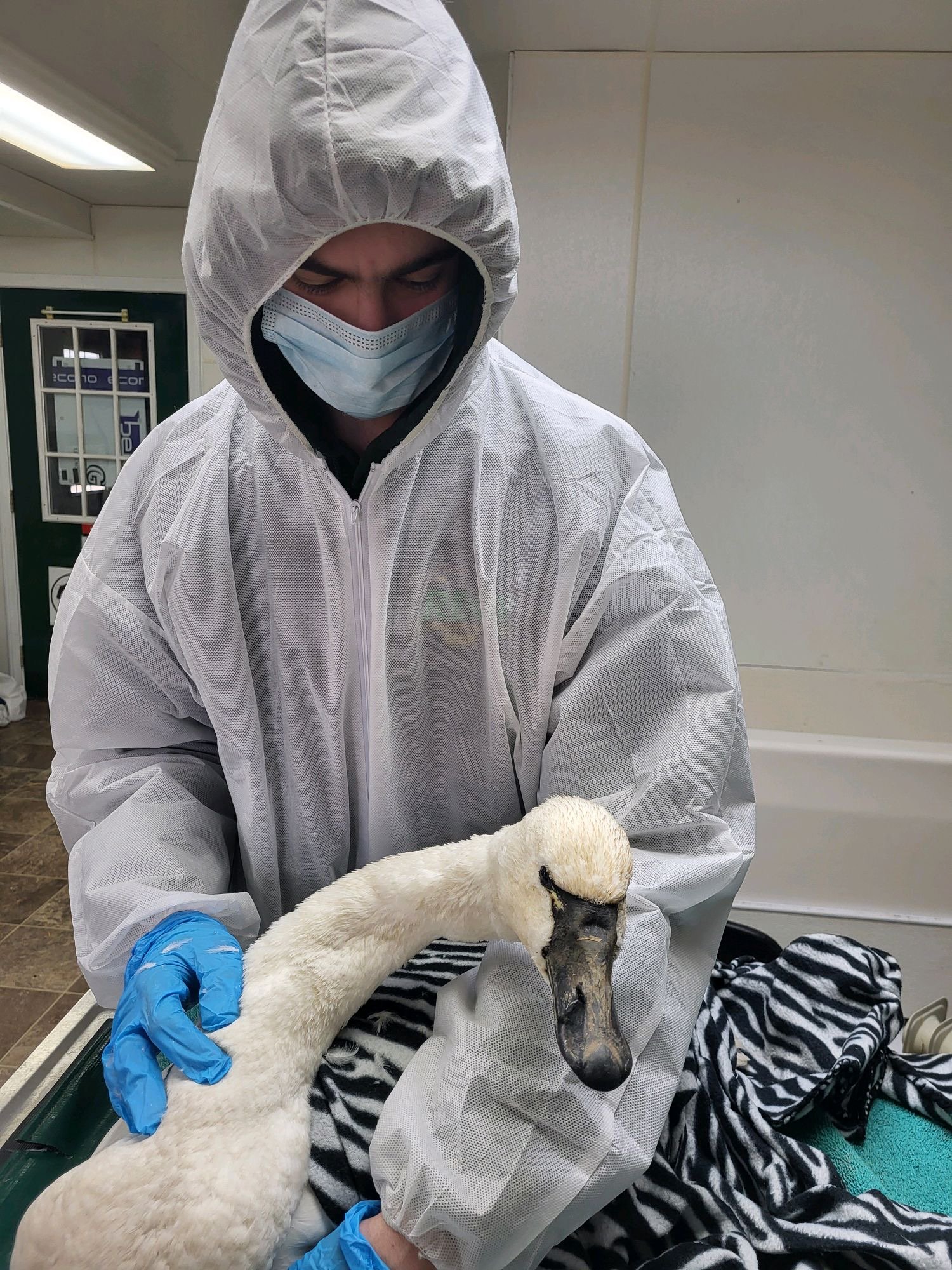
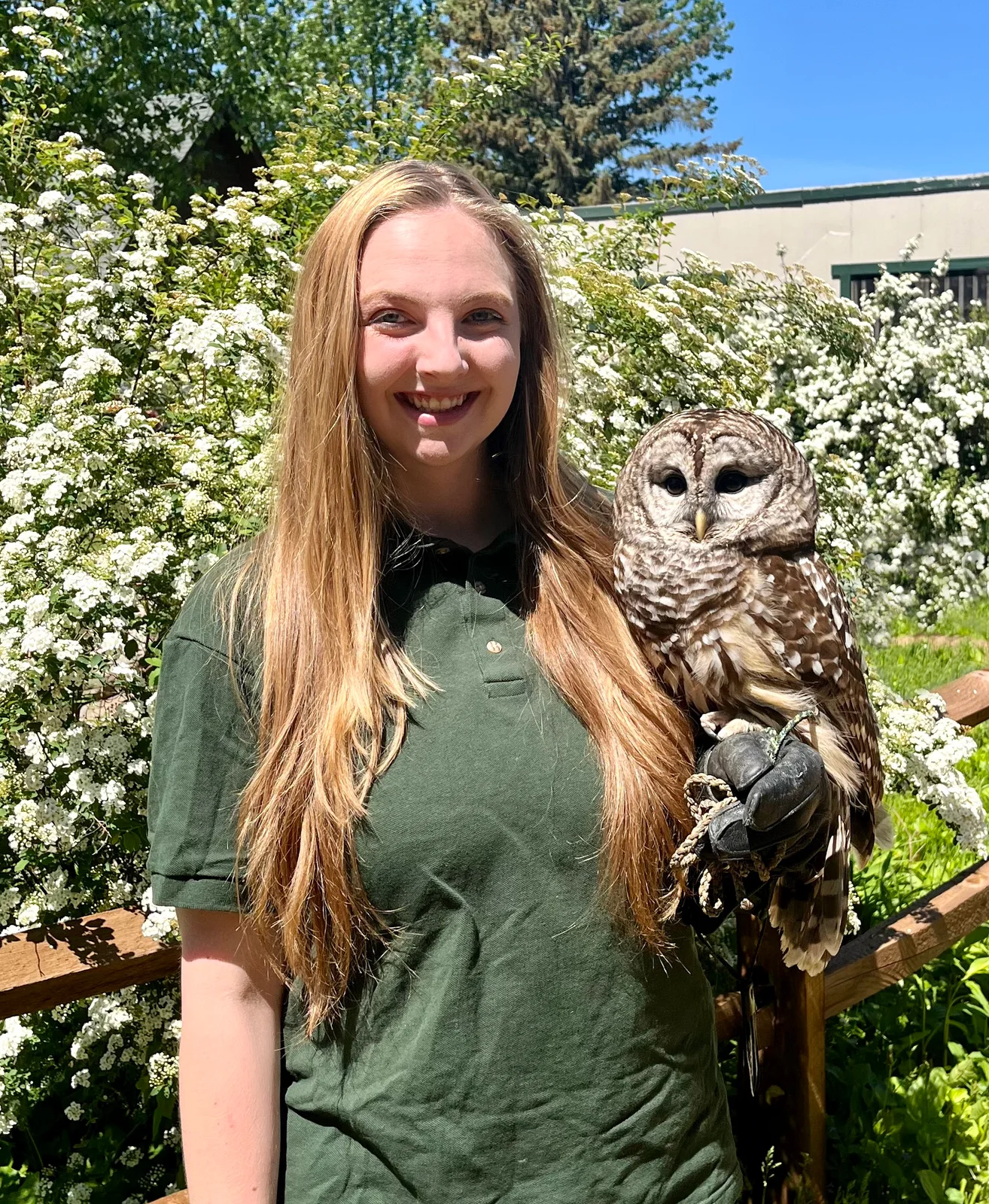 Education, care, and connection
The people of REGI
Wildlife care happens one patient at a time, but never through one person alone. REGI's staff, board, interns, volunteers, veterinary partners, rescuers, and supporters each hold part of the work.
REGI holds permits from the Wisconsin Department of Natural Resources and U.S. Fish and Wildlife Service. REGI earned Candid's 2026 Platinum Seal of Transparency and participates in professional communities including the International Wildlife Rehabilitation Council, National Wildlife Rehabilitators Association, Raptor Research Foundation, and American Society of Ornithology.
Keep the mission moving
Donations and volunteers make independent wildlife care possible.